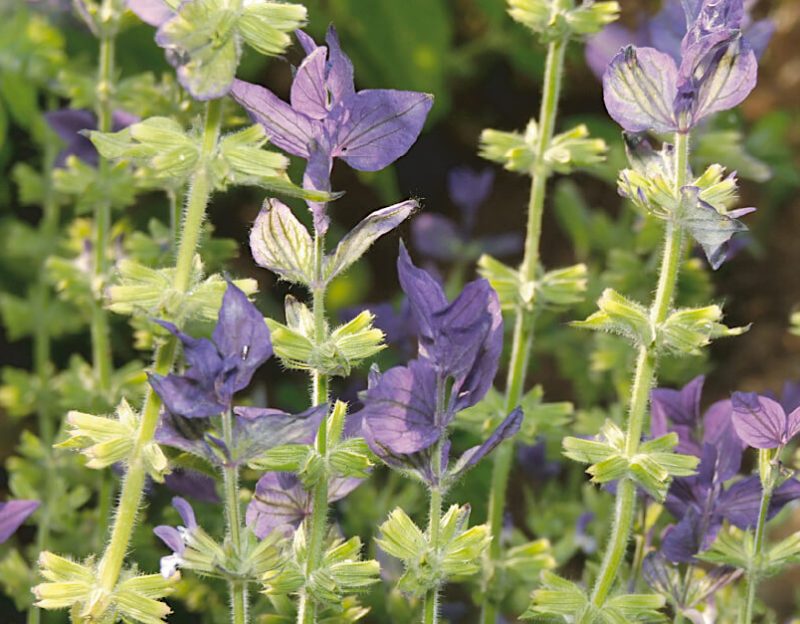
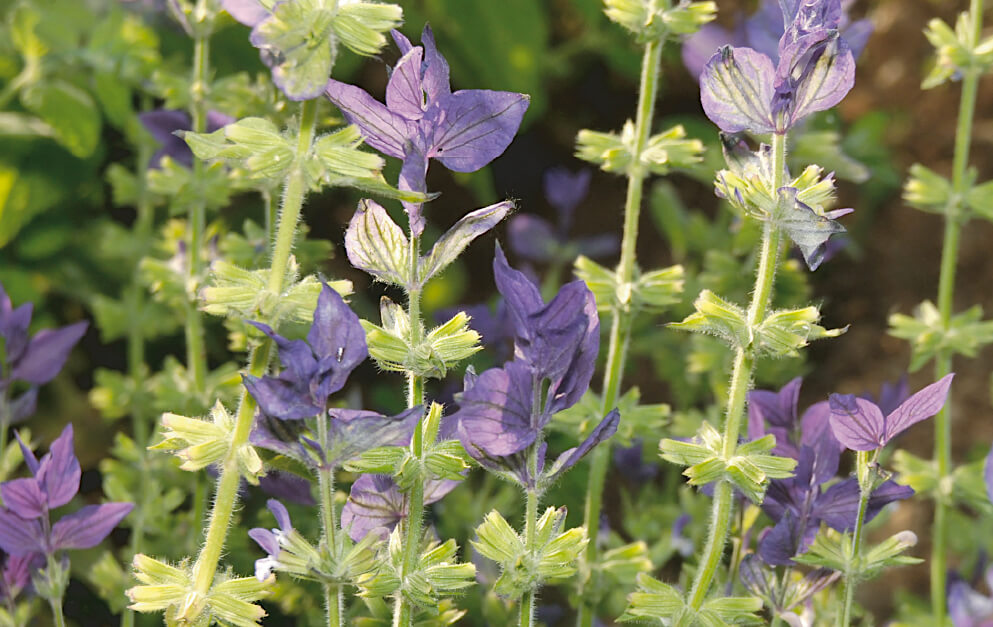
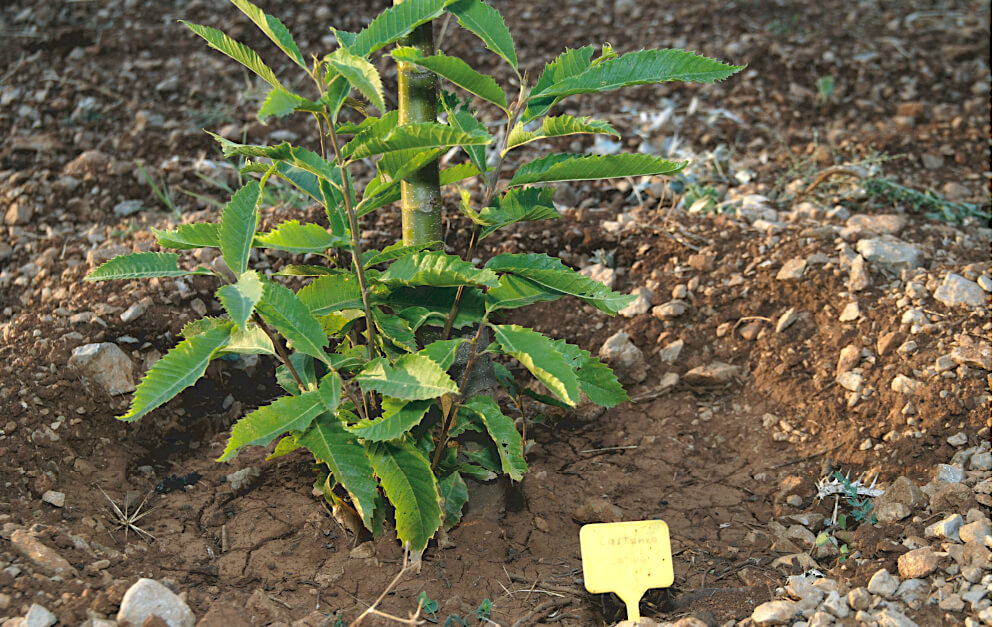
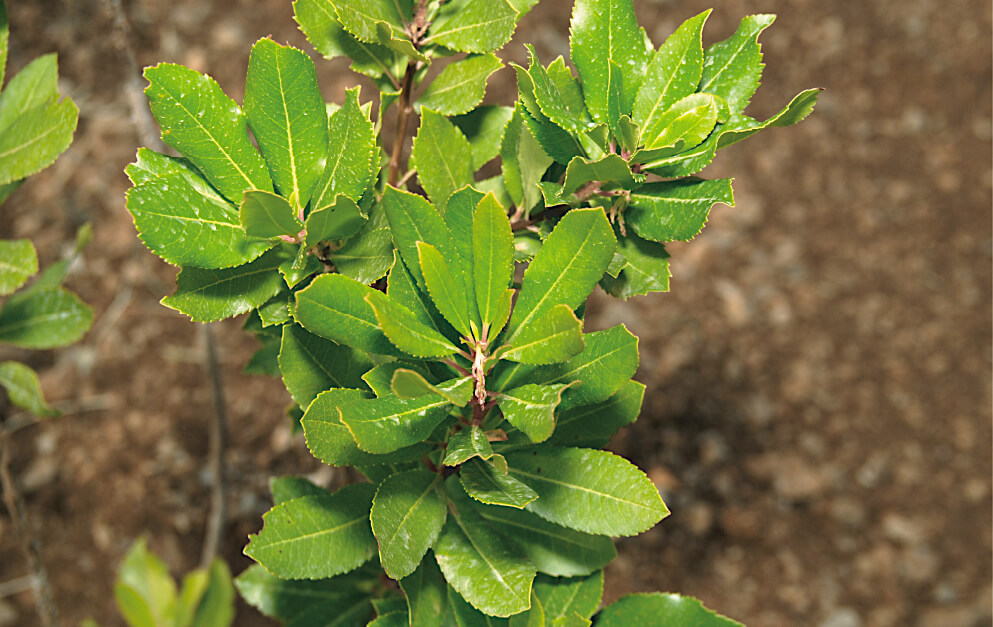
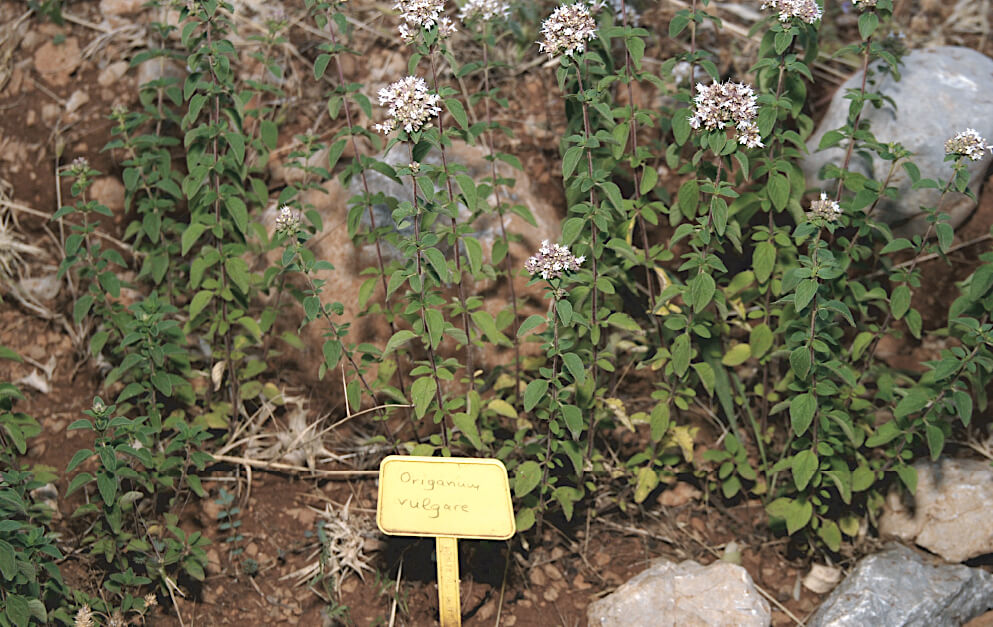
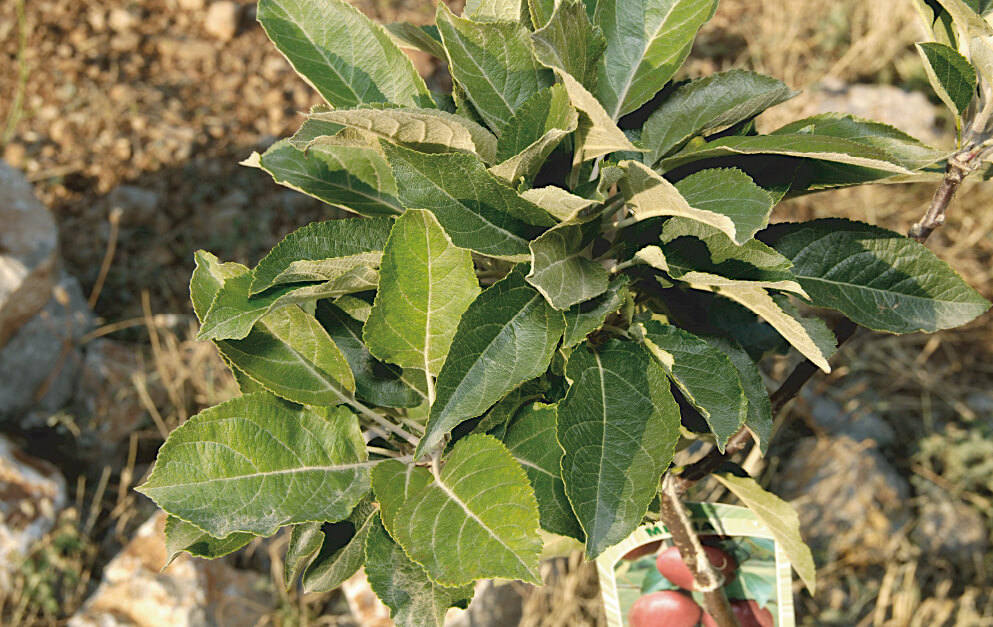
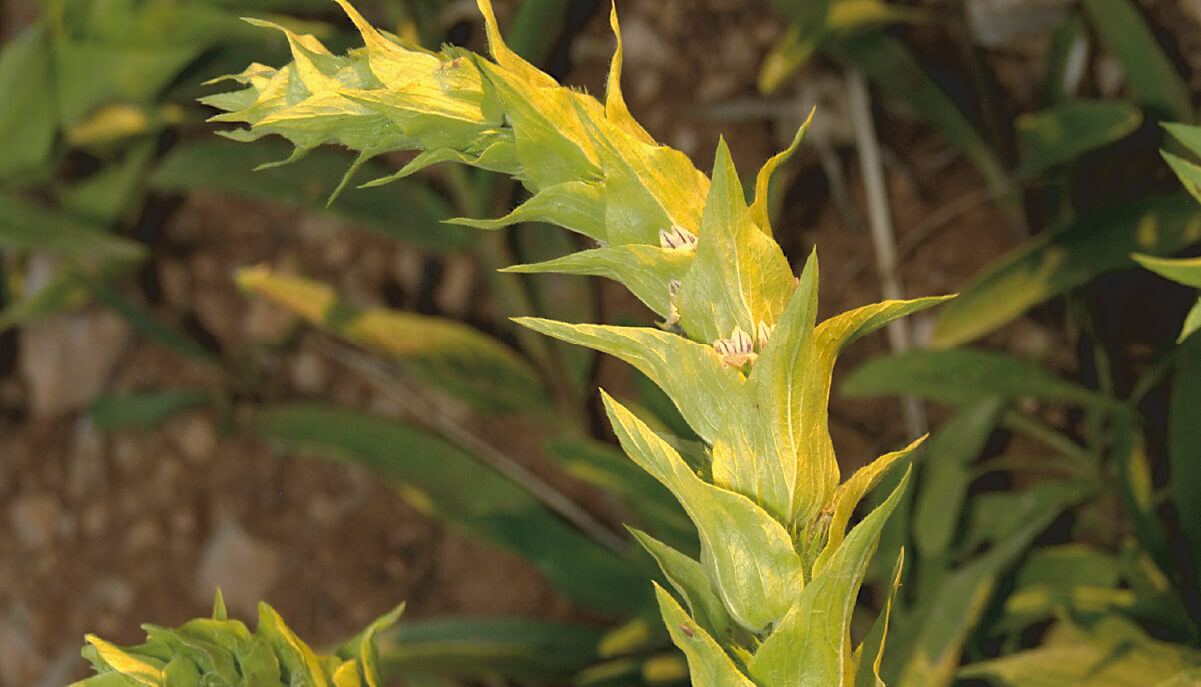
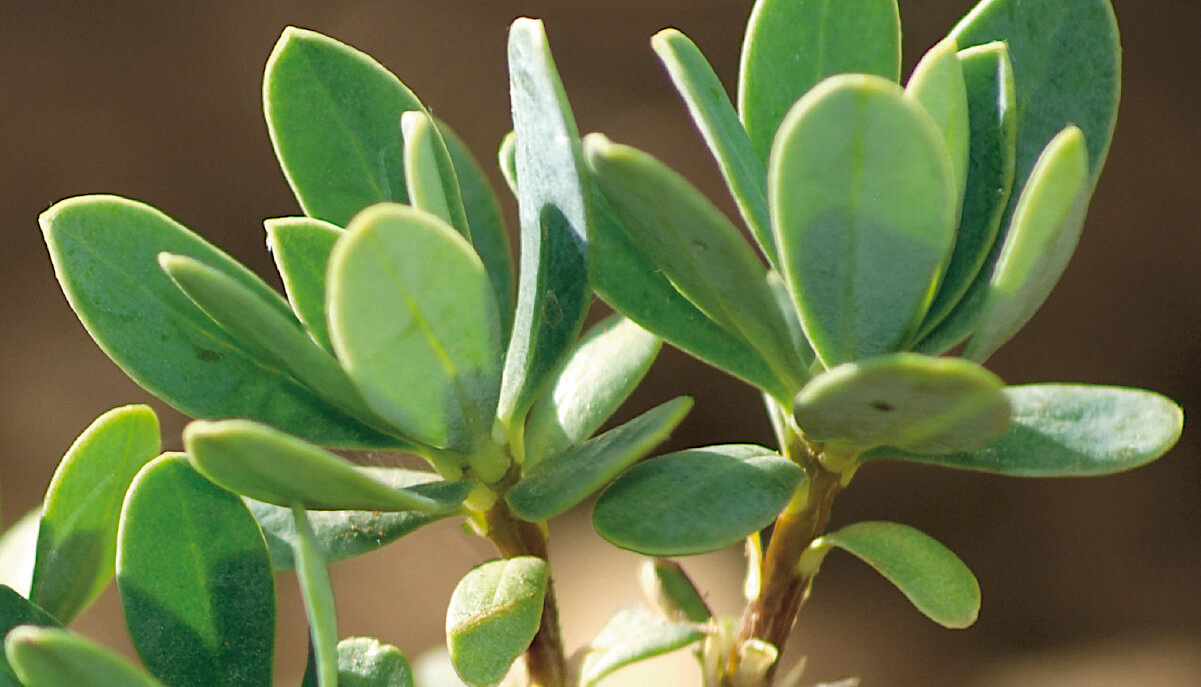
Οι Βοτανικοί Κήποι συμβάλλουν στη δημόσια εκπαίδευση, στην ευαισθητοποίηση του κοινού, στην οικολογία, στην κηπουρική και τέλος στη διερεύνηση νέων περιβαλλοντικών αειφορικών τρόπων χρήσης των φυτών. Το τελευταίο έχει ως αποτέλεσμα να καθίσταται συνδετικός κρίκος ανάμεσα στην έρευνα από τη μια και στις κυβερνητικές αρχές και την τοπική κοινότητα από την άλλη, συμβάλλοντας έτσι και στην ανάπτυξη της εθνικής οικονομίας. Έτσι ο Διεθνής Οργανισμός Διατήρησης των Βοτανικών Κήπων (Botanic Gardens Conservation International – BGCI), που ιδρύθηκε το 1954 και αντιπροσωπεύει πάνω από 700 μέλη – ως επί το πλείστον Βοτανικούς Κήπους – σε 118 χώρες, είναι μια διεθνής ένωση των Βοτανικών Κήπων, που υπάρχει για να διασφαλίσει την παγκόσμια διατήρηση των απειλούμενων φυτών, η συνέχεια της ύπαρξης των οποίων είναι άρρηκτα συνδεδεμένη με παγκόσμια ζητήματα όπως η φτώχεια, η ανθρώπινη ευημερία και η κλιματική αλλαγή. Ο Βοτανικός Κήπος Απόλλων-Δελφοί είναι μέλος του BGCI.
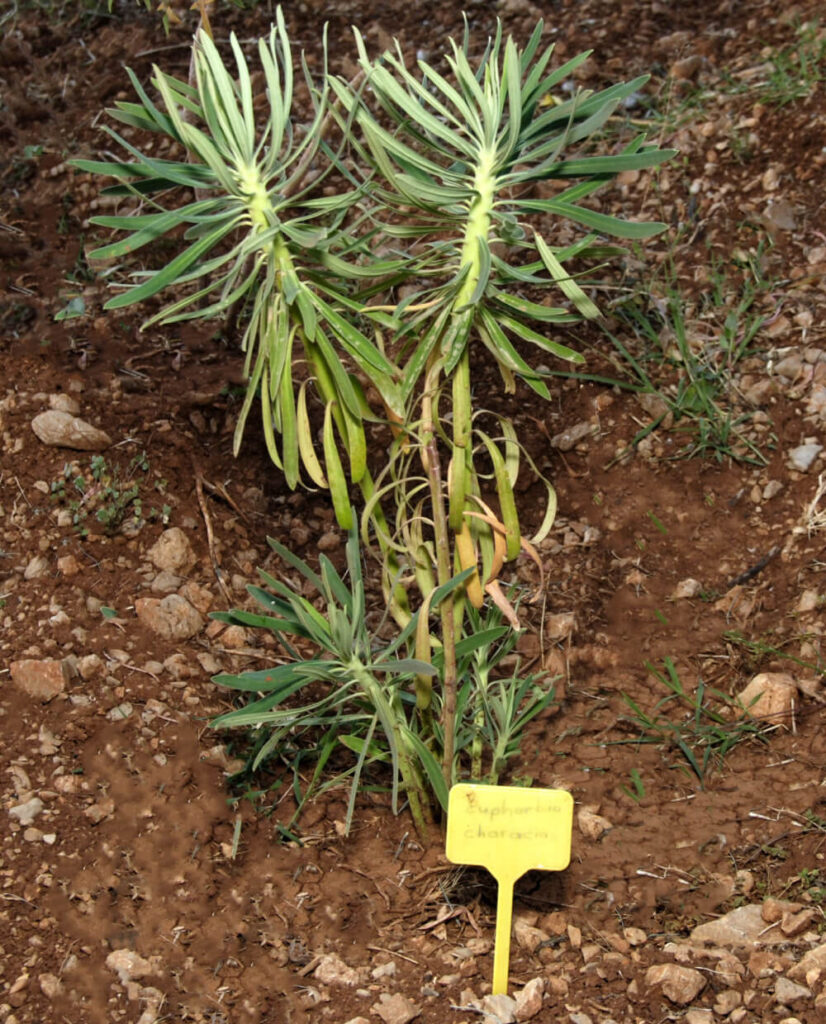
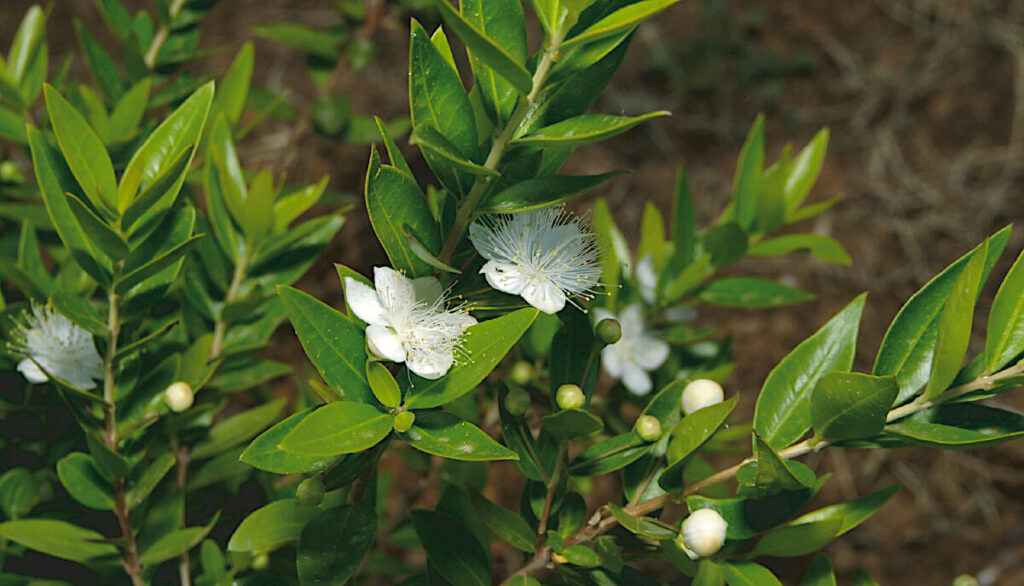
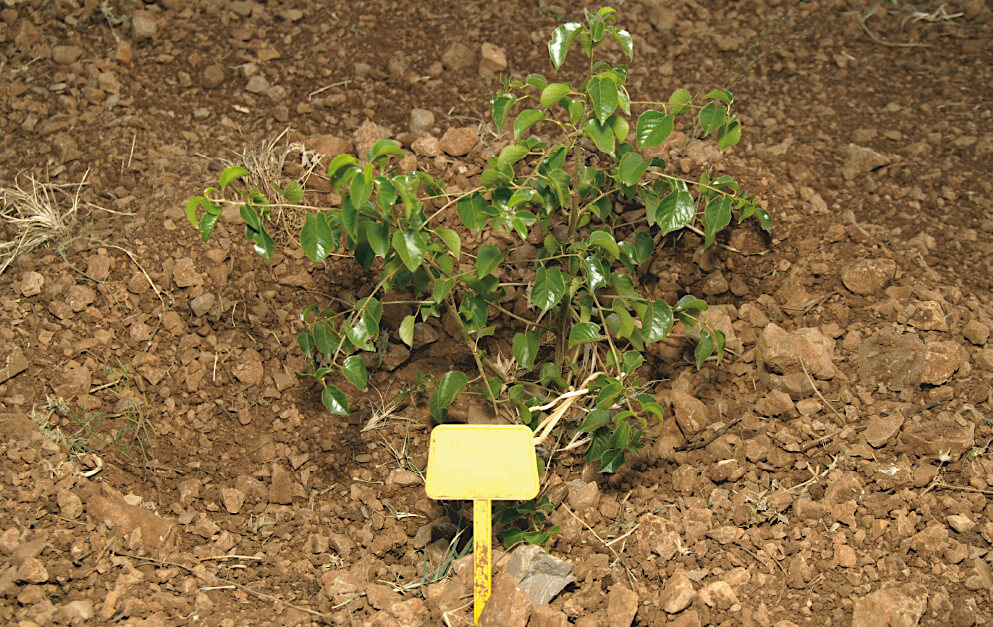
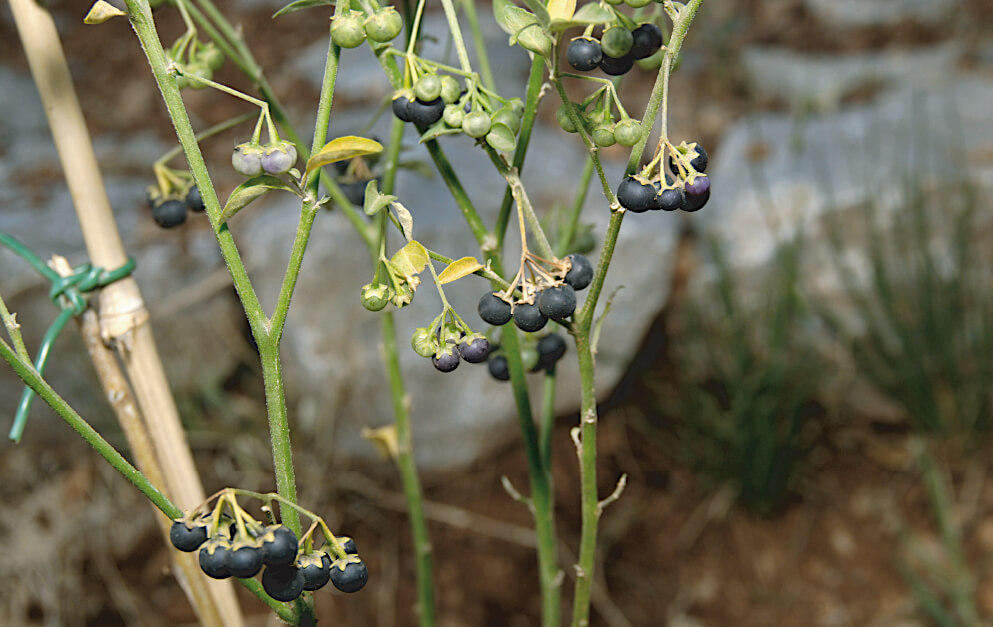
fita-12
fita-11
fita-10
fita-8

Mission

With the founding of the Apollo – Delphi Botanic Garden, among others the following are pursued:

  • The preservation and enhancement of the unique medicinal, edible and other important native plants of Parnassos, among them the endemic regional ones as well.
  • The promotion of the amazing properties of the plants of Mount Parnassos, which many of them were known in antiquity, resulting in their age long – traditional use (medicinal – aromatic – insect repellent, edible – raw food diet, cosmetic, floricultural and so on).
  • Scientific research not only related to these properties and their value in disease prevention and treatment, insect repellence and cosmetics or diet, but also to the optimal performance of the plants and specific ways of use by producing particular products (a scientific research field for plant physiologists, chemists, pharmacists, doctors, nutritionists and so on).
  • Scientific research related to the large scale cultivation of medicinal – edible – floricultural plants based on modern sustainable farming techniques so that they can serve mass production without reducing their populations. This, of course, means working together with plant physiologists, agronomists and so on.
  • The dissemination of this knowledge though theory and field courses for the region’s young people covering organic farming and generally growing aromatic, medicinal, insect repellent, edible and ornamental plants with modern sustainable methods, by making use of local genetic material (whose ingredients and properties will be certified). Additionally, the subject matter of the courses will be processing and standardization to provide further added value.

Results: the growth not only of the primary, but also of the secondary sector of the region. The creation of a Botanic Garden, showcasing the native plants of Parnassos that can be used as vegetables, flowers and medicine, something which can pave the way for crop restructuring by strengthening the share of the growing native plants of Parnassos, many of which thrive in mountainous and semi-mountainous regions of Central Greece as well. It is indicative to note that unfortunately very common plant species in Central Greece (found also in Parnassos) that are clearly marketable and could be sold at [plant] nurseries or grown and produced as standardized products and in high demand are not cultivated. For example, none of the three species of thyme sold on the market are not of Greek origin and of course none of them is the common thyme found at low altitudes (Thymbra capitata). The cultivation of the above plant species can also lead to processes of their standardization. We also know pretty well that a large number of horticultural plants in Greece/our country are of foreign genetic origin, while many of the unique plants of Parnassos could be used as [ornamental] flowers and even for rock gardens and serve as durable ground cover.